Automotive Primer Sanding: When to Stop
October 12, 2026How to Choose a Car Body Filler for Small Repairs
October 12, 2026
Orange peel in automotive clearcoat is an uneven, pebbled texture rather than a smooth flow-out. Several factors can contribute, so changing the mix or spray pressure at random is unlikely to identify the cause. Start with the coating system’s instructions and review one part of the process at a time.
Check the surface before blaming the clearcoat
Confirm that the panel preparation and basecoat stages are complete. Inspect the surface under good lighting and check that the basecoat is within its specified clearcoating window. Our car panel preparation guide covers the earlier stages.
Review spray-gun setup and technique
Incorrect gun adjustment or an unsuitable application distance can prevent droplets from joining into an even film. Compare the nozzle, air pressure and fluid settings with the coating data sheet and gun manufacturer’s guidance. Check the spray pattern before applying material to the repair.
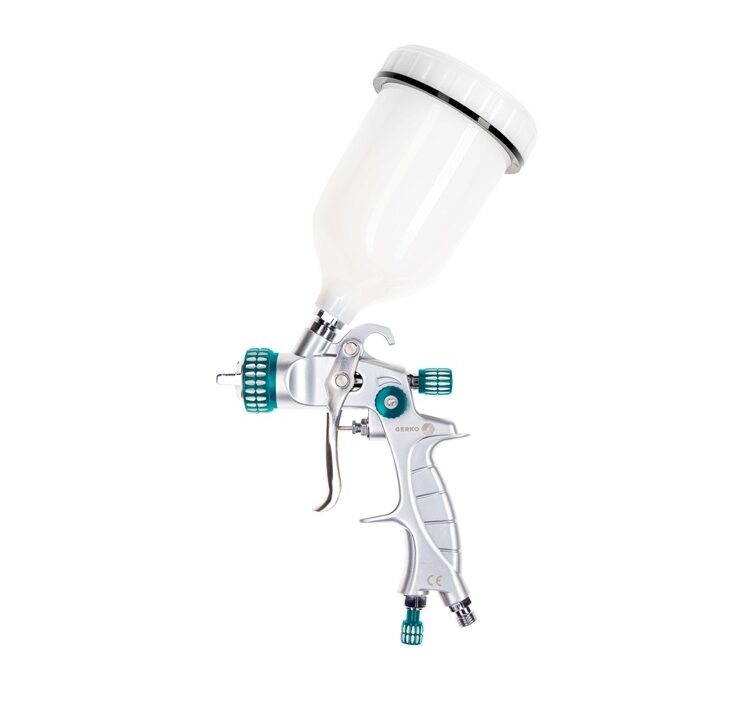
Use consistent passes and the recommended technique. There is no single pressure or distance that suits every gun and clearcoat combination. See the GERKO spray-gun range for model-specific product information.
Match the materials to the conditions
Use the specified clearcoat components and mixing ratio. Check whether a reducer is required, which grade is permitted, and the temperature range for the selected hardener. Paint viscosity and unsuitable application conditions can affect levelling. Do not add extra thinner to an already mixed batch without manufacturer guidance.
Control film build and flash time
Follow the recommended coat application and flash intervals. Both unsuitable film build and incorrect drying between coats can contribute to texture. Avoid trying to force drying with an improvised air blast. Check the product’s curing schedule before the next stage.
Decide whether correction is suitable
Some original vehicle finishes have visible texture, so compare the repair with the surrounding finish before deciding on a correction target. A repair method depends on the severity, coating condition and film thickness. Obtain the manufacturer’s procedure before sanding or polishing; severe orange peel may require refinishing.
Keep a useful application record
Note the gun setup, component choices, mixing ratio, temperature, flash intervals and drying schedule. Comparing these records with the product instructions is more useful than making several changes together and losing track of what affected the finish.
Continue with the right guide and materials
Read our automotive clearcoat guide for system and application checks. For craters, runs or other symptoms, use the common car paint defects guide. Browse painting supplies after checking compatibility with your repair system.
Technical references: PPG’s orange-peel guidance, PPG’s application and prevention checks, and Axalta’s Paint Defects Manual. Always use the current data sheet for the specific products on the job.